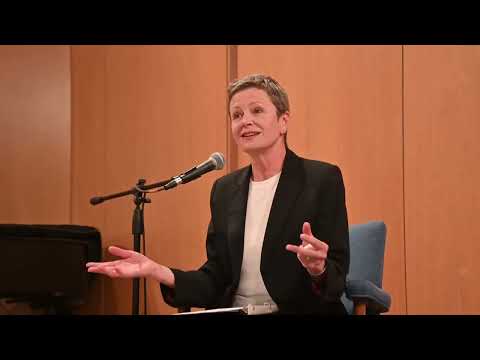
Korenne Wolken embraced the opportunity to address a legislative task force looking at special education funding.
“The important part is, we had the opportunity to inform legislators of what actually happens,” Wolken said. “I appreciate that they gave us that opportunity.”
Wolken, director of the ANW Special Education Interlocal, spoke with members of the task force in Topeka, where she and others proposed different ways the state funds special education could be improved, or replaced altogether.
Thursday’s season was the second time this year Wolken has spoken at length with lawmakers. She also joined a group from Kansas to travel to Washington, D.C., to speak with federal representatives.
“One of my goals as director is to be a better advocate for special education,” she said Friday. “To get those opportunities is exciting.”
The ANW interlocal provides special education services to eight districts: Iola, Humboldt, Marmaton Valley, Yates Center, Crest, Chanute, Erie and Altoona-Midway.
WOLKEN HAS done her homework.
In late August, she and 14 special education representatives gathered in Salina to look in depth at how other states fund special education.
The issue has remained a hot-button topic for state legislators, who had agreed more than two years ago to increase special ed funding by $73 million annually over a three-year period.
But in 2025 — Year 2 of that planned arrangement — the state cut its allocation hike from $73 million to $10 million.
It’s been part of an ongoing headache for administrators, who note state funding often falls short of what’s promised.
It’s more than just grousing, Wolken noted. The state itself is statutorily required to fund special education at 92% of excess costs. Currently, the state’s reimbursement is closer to 69%, leaving school districts to cover the excess costs.
It’s particularly acute within the ANW umbrella, where more than 20 percent of the student population receives some sort of ANW services, compared to 17% statewide.
“Special education needs are trending upward,” Wolken said. Since 2009, special education state aid has increased by about 27%, while expenditures have increased by about 45%.
WOLKEN’S group came up with two primary proposals, the first of which would be to have state allocations based on the number of students served. (Currently the state’s funding is set by the number of staffers each district or cooperative employs for special ed.)
Another departure would be to slice up the special ed funding pot differently, focusing first on teacher reimbursement instead of such things as catastrophic aid, transportation funds and Medicaid replacement.