Allen County commissioners formally recognized April as Child Abuse Awareness and Prevention Month during their Tuesday meeting, recognizing the work of area organizations that support children facing abuse and neglect.
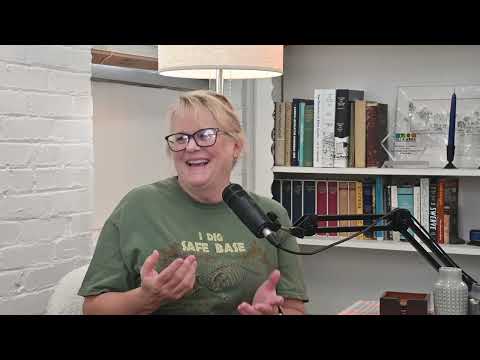
Donita Garner, Child Advocacy Center coordinator at Hope Unlimited, told commissioners the annual designation helps bring attention to critical services available in the community.
“We interview children who have been victims of crime, particularly sexual assault,” Garner said, explaining the services Hope Unlimited provides. “We help them go through the court process, help them receive therapy, and we help them with treatment.”
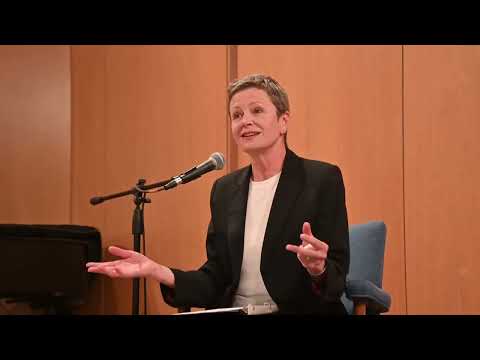
Marie Parker with the Court-Appointed Special Advocates (CASA) of the 31st Judicial District, also addressed commissioners about the role of volunteer advocates.
“We are appointed by the judges to advocate for children who are going through the legal system because of abuse and neglect,” Parker said. “It’s a wonderful program and we are always looking for support and volunteers.”
Garner said the issue remains important to those involved in advocacy efforts and extends beyond the month of April. “This is a big deal,” she said. “It’s close to our hearts and our partners’ hearts all year.”
Commissioners approved the proclamation unanimously.
Following the vote, commissioners joined advocates outside the courthouse to “plant” a pinwheel garden, a national symbol of child abuse prevention.
The commission also approved a proclamation recognizing April as Sexual Assault Awareness Month at the request of Hope Unlimited’s Sexual Assault Response Team Coordinator Brandy Foster.
Commissioners continued discussions on a proposed Neighborhood Revitalization Plan (NRP). The plan would provide tax rebates to encourage property improvements in areas outside city limits.
Commissioners reviewed three potential rebate structures, each offering a different timeline for how property owners would receive tax relief on increased valuations.
The first staggered option would provide a 100% rebate for the first six years, then decrease by 20% each subsequent year, ending at 20% in year 10.
A second staggered option would shorten the full-benefit period, offering 100% for the first two years before decreasing by 10% annually through year 10.
The third option would provide a full 100% rebate for all 10 years before taxes on improvements are fully realized in year 11.
Commission Chair David Lee voiced support for the full 10-year rebate option, while the other two commissioners favored a phased approach.
Commissioner Jerry Daniels pointed to the first staggered option as his preferred choice, describing it as a compromise between shorter and longer incentive structures — a view shared by Commissioner John Brocker.