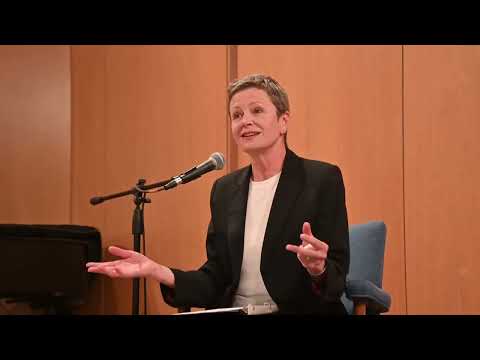
Thursday marks the end of the school year for Iola-USD 257. As Taelyn Mathews, a school-based therapist with Southeast Kansas Mental Health Center, reflects on the year, she identifies some clear trends among the students she works with.
“I would say low self-esteem is a huge thing,” Mathews says. “It’s a common struggle to deal with in middle school and high school, not having confidence in yourself. But even more now — comparing yourself on social media and being connected all the time. Kids are really struggling with that.”
In addition to anxiety over grades, Mathews says she works with many students who feel sad and lonely. In a digital world, “they’re connected,” she observes, “but the quality of their connections aren’t great.”
Mathews also notes school is different than when she was a kid. “If someone’s being bullied at school, back when we were in school, you’re bullied at school but then you go home and are safe. Now it follows you, and that’s hard for students.”
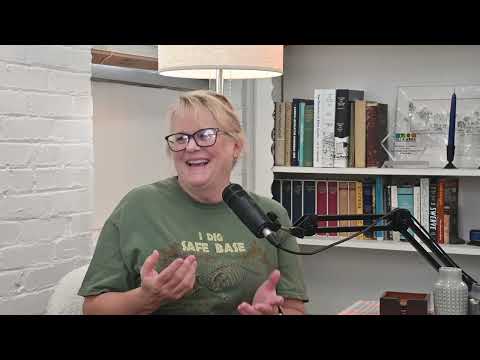
Last Friday, Mathews stopped by the Register office for an interview for our “Registered” podcast. You can watch the full episode on our website and YouTube channel.
MATHEWS is based in Iola Middle School and Iola High School. She has a caseload of about 60 students, though she doesn’t see every student each week. This has been her first year in USD 257; she spent the last three years prior at Chanute Public Schools in a similar role.
Across its six-county service area, Southeast Kansas Mental Health has partnerships with 15 school districts. In addition to Mathews, 15 other school-based therapists work inside schools, along with 31 case managers and two therapist interns. Additionally, the mental health center has 91 staff who run the Southeast Kansas Achievers, or SEKA, after-school program.
IT’S CLEAR Mathews, who holds a master’s degree in social work, enjoys her work. Her rapport with students seems easy and authentic.
“The first thing is building trust and creating a non-judgmental space for them to share their interests,” Mathews says about her approach to the work. “And then building that self-esteem.”
Her quirky personality helps kids feel at ease. “I’m just naturally very goofy, so I think that helps break down some walls,” Mathews says.
“I’m not the therapist your kid comes to and I’m going to be sitting there super serious. I make a lot of silly jokes that they laugh at me for. I don’t think they’re laughing with me; I think they’re laughing at me,” she says with a smile. “But anything I have to do.”
Walking also helps, notes Mathews. Students often open up when they’re doing something, as opposed to sitting still in an office.
Mathews is an employee of the Southeast Kansas Mental Health Center, but her work is entirely focused on Iola students. Every week, she spends two days at each school and uses Friday to go where she feels most needed.
Mathews isn’t the only SEKMHC employee embedded in USD 257. SEKMHC has case managers assigned to each school, and Travis Buck, the Peer Mentor Lead for Zero Reasons Why Allen County, is often on campus. Buck also works closely with Marmaton Valley and Humboldt high schools in that capacity.
(SEKMHC has recently started a similar program, Sources of Strength, in Jayhawk Linn High School.)
Helping students deal with trauma can be difficult, Mathews notes. Iola High School students are still processing the death of two students who have died by suicide in the last two years. Mathews says she feels a deep calling for the work, even when it’s heavy.