TOPEKA — Kansas Supreme Court justices heard from judges around the state who were having difficulty appointing attorneys to criminal cases, where representation is a constitutional guarantee.
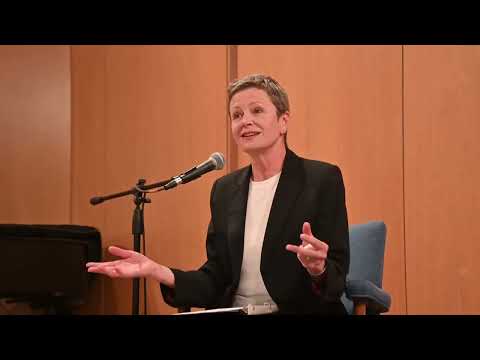
So former Chief Justice Marla Luckert created in 2022 the Rural Justice Initiative Committee and appointed fellow Justice K.J. Wall as its chair.
“We found there was, indeed, a shortage of attorneys across the rural parts of our state, and we were able to put some data behind that and quantify that,” he said in an interview on the Kansas Reflector podcast.
The committee, which released its first report in 2024, found that around 45% of the state’s population live in rural areas but 80% of licensed attorneys in Kansas practice in the state’s five most urban counties.
The bottom line is there are not enough attorneys for a significant part of the state, he said.
Evidence of a shortage is quantitative and qualitative for Wall, who was raised in the rural community of Scott City. He said he has fond memories of the attorneys in his community as leaders and business owners.
“Being from a rural community myself, I understand the impact that it has on a community when we start to lose those leaders,” he said.
Wall, 55, was appointed to the Supreme Court in 2020. At the time, he was representing rural health care organizations and community mental health centers across Kansas. The shortage of rural health care providers Wall witnessed in that role mirrors the shortage of attorneys he grapples with now, he said.
The implications of dwindling attorneys are widespread. Attorneys can act as economic drivers in rural areas, Wall said, facilitating commercial activity, employing community members, assisting local businesses and reinvesting their earnings and time in other local ventures.
They help form the fabric of their communities, he said.
Around one-third of active attorneys in the state are over the age of 60, the committee found.
“We know that in the coming years that they will be exiting out of the profession, and rural counties are more particularly impacted by that demographic dynamic,” Wall said.
In response, the committee has looked to younger generations. The committee interviewed law school students at Washburn University in Topeka and the University of Kansas School of Law in Lawrence, attempting to identify what compels recent graduates to practice in rural areas or avoid them.
RECENT LAW school grads bear massive debt loads, Wall said. They also worry about access to mentorship, housing and health care in rural communities, he said.
“Those barriers were really significant,” Wall said, “and were a deterrence to having these students explore those rural opportunities.”
But students also said they would be more inclined to pursue rural jobs if financial incentives were attached.