
Kansans can congratulate themselves. A vacancy on the state Supreme Court has once again been smoothly filled through an orderly process Kansans voted to put into our state constitution in 1958.
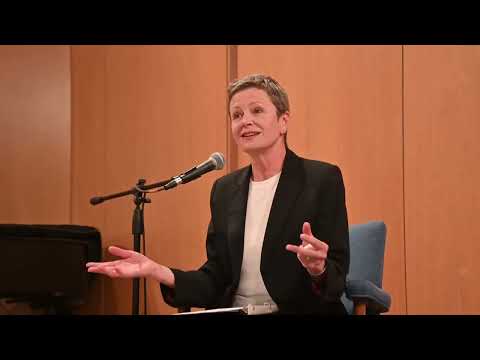
At its heart, the process requires selection of the court’s justices based on their merit, not politics. As the final step in that process, last week Gov. Laura Kelly appointed attorney Larkin Walsh. She became the 29th justice appointed on merit since Kansans chose it 67 years ago.
I have known Walsh for 15 years. She is an outstanding choice, blessed with experience ranging from working as a research attorney for both the federal court and the Kansas Supreme Court (where I worked with her) to representing clients in complex court cases.
She brings with her a strong work ethic and absolute commitment to the rule of law.
It is important to remember how Walsh got here. Along with thousands of other Kansas lawyers and judges, she received notice of a Supreme Court vacancy. In response to this opportunity offered equally to so many, Walsh applied to be a justice — as did 14 others.
The next steps in the selection process were created by the voter-approved constitutional amendments and involve the Supreme Court Nominating Commission.
Because an applicant’s merit-based selection as a justice essentially means competition with the other applicants, the commission must thoroughly vet them all.
That commission of nine members from across the state reviewed the applications of Walsh and her 14 competitors, investigated them and interviewed them in full public view.
At the end of this step in the selection process, the commission members elected Walsh and two other applicants — both judges — as their nominees.
The commission then forwarded these three names to Kelly for making her appointment as the last step of the competitive, merit-based selection process.
After even more vetting and personally interviewing each of the three nominees separately, Kelly eventually selected Walsh as a justice. On merit, not ideology.
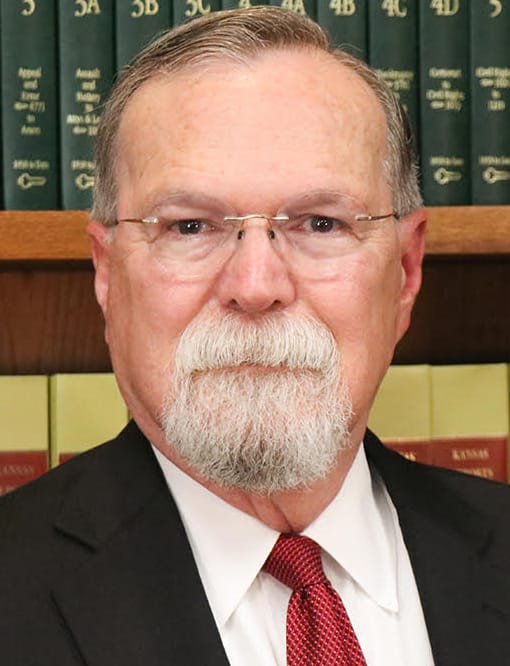
I speak from experience. In 2002, I underwent this same process with 17 other applicants. The nominating commission’s work was extensive, even seeking input from people I had not listed on my application.
After my interview with Gov. Bill Graves, I was appointed and served for 17 years on the Supreme Court, including the last 10 as chief justice.
Unlike in some other states, I never had to make political speeches, raise any campaign money, or tell anyone (such as voters or potential donors), how I would vote on certain issues as a justice. I certainly was not asked such questions by the nominating commission or Graves.
The ultimate stage in the merit-based selection process is a democratic one — which requires the people of Kansas to have the final word.
Starting with the first statewide election after Walsh has served 12 months, Kansas voters will decide whether to retain her to start a six-year term. If she is retained, voters will have the same opportunity every six years after that, much like I faced retention votes in 2004, in 2010 and in 2016.