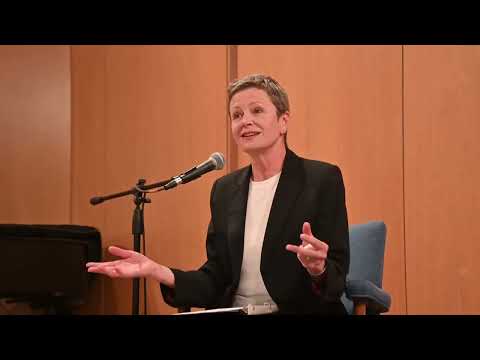
Secretary of Agriculture Tom Vilsack celebrated farming, rural America and farm families in the 160th Landon Lecture at Kansas State University Tuesday. It was a frankly flattering speech addressed directly to the ag students at the Kansas land grant college.
But what Sec. Vilsack said was also meant to lift spirits in farming neighborhoods such as ours in all 50 states.
Agriculture, he reminded us, is the “second most productive segment” of the national economy. It also produces a trade surplus. Last year, he said, $137 billion worth of food and fiber were shipped from America’s farms and ranches to countries all over the world. Ag exports have produced a trade surplus every year for the past 50 years.
U.S. agriculture not only produces enough to feed more than 300 million Americans, but also helps feed a hungry world.
There are, he said, 925 million malnourished people in today’s world, which has a population of about 7 billion. Estimates are that that total will grow to 9 billion within the next half century, which will require an increase of food production of about 70 percent.
That production increase must take place despite the fact that the amount of farm land is shrinking due to the growth of cities, that the supply of water is dwindling and weather patterns are growing more severe.
“The United States will lead the world effort to meet that challenge,” he said.
While agriculture accounts for one out of every 12 jobs in the U.S. economy, the number of full-time farmers only amounts to one-tenth of 1 percent of the population, he pointed out.
Sec. Vilsack also said ethanol, bio-diesel and other plant-based fuels had helped the U.S. reduce its imported oil from 62 percent of the total used to 45 percent over the past three years. Estimates are that the price of gasoline, as high as it is, would be somewhere between 80 cents and $1.30 higher if it were not for biofuels, he said.
He also dealt head-on with the touchy immigration issue. He said about 35 percent of all vegetables and 50 percent of all fruit that Americans find on their grocery store shelves has been “touched by hired hands.”
Most of those hired workers are immigrants, some legal, some illegal.
Farm labor, he said, has been the entry point for immigrants today, and in the past.
“They are doing what your family did at some point in time,” he said. “They are here to make life better for their families. They are working hard to make a better future for their children. They represent the American story. Before you dream, you have to struggle,” he said.
SEC. VILSACK GAVE rural America credit for reinforcing values important to the nation’s culture and national character. While rural America represents only 16 percent of the nation’s population, it accounts for 40 percent of the military. He explained that very large difference by pointing out that farmers know they must give something back to the land if it is to remain productive, and apply the same philosophy to the relationship between a citizen and his government. Military service, he said, is an equivalent of “giving back.”
— Emerson Lynn, jr.